
As you get closer to 40, you might notice changes in your body. Estrogen is key for women’s health. It affects reproductive health, bone density, and overall well-being.
Estrogen levels do drop with age. But, it’s important to keep them balanced. You might worry about estrogen levels, but it’s about finding the right balance for your body.
Knowing how to keep estrogen levels healthy can ease menopause symptoms. It also supports your overall health.
Key Takeaways
- Estrogen is vital for women’s health, impacting reproductive health and bone density.
- Lower estrogen levels can cause symptoms during menopause.
- It’s key to keep estrogen levels balanced, not just lower them.
- Understanding estrogen’s role in your body helps you make better health choices.
- A healthy lifestyle supports estrogen balance and overall well-being.
Understanding Estrogen Changes After 40
Estrogen levels drop as women get older, mainly after 40. This drop is because the ovaries make fewer hormones as we age. Knowing about these changes helps keep us healthy and feeling good during menopause.
Why Estrogen Levels Naturally Decline
When women hit their 40s, their ovaries make less hormone. This leads to lower estrogen levels. This change is a key part of menopause, which can start years before it officially begins. Lower estrogen can cause physical and emotional changes.
- Decrease in ovarian function
- Natural part of aging
- Menopausal transition
Signs of Low Estrogen to Watch For
Low estrogen can show in different ways. You might feel hot flashes, vaginal dryness, or mood changes. Knowing these signs helps you deal with them and keep your hormone balance right.
Spotting these signs early lets you take steps to handle your hormonal changes. This can make your life better.
How I Maintain Estrogen High After Age 40: Natural Methods
You can keep estrogen levels high after 40 with the right lifestyle. Eating certain foods, exercising, managing stress, and sleeping well all help. These habits support hormone balance.
Phytoestrogen-Rich Foods to Include in Your Diet
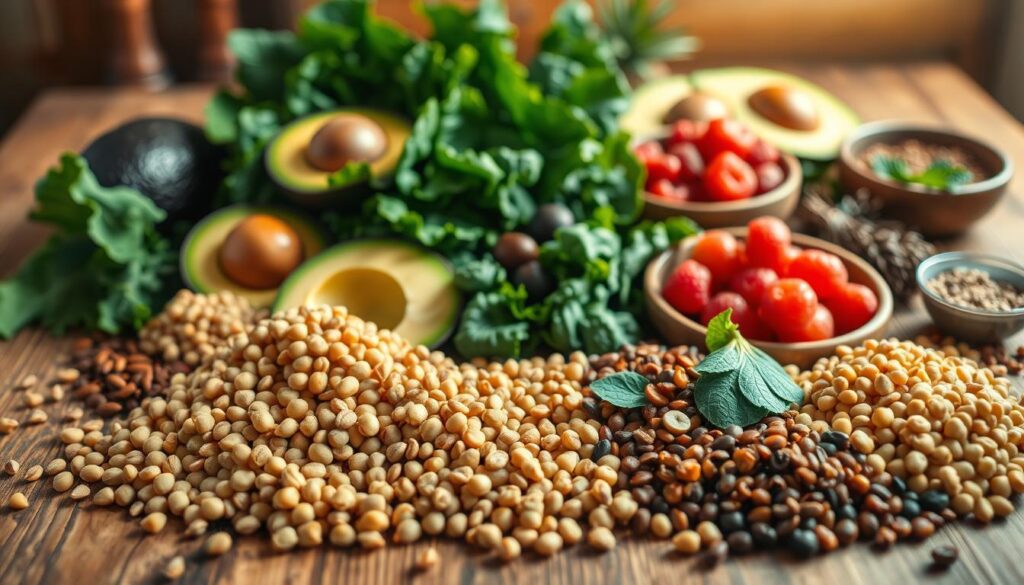
Eating foods rich in phytoestrogens is a natural way to boost estrogen. Soybeans, flaxseeds, and sesame seeds are good choices. Adding these to your meals can help keep estrogen levels healthy. Try them in salads, smoothies, or recipes.
Exercise Routines That Support Hormone Balance
Exercise is key for hormone balance. Aerobic exercises like walking, cycling, or swimming help estrogen. Strength training also boosts hormone balance by building muscle and increasing metabolism.
Stress Management for Hormonal Health
Too much stress can harm estrogen levels. Meditation, yoga, or deep breathing can help. Regularly practicing these can improve hormone balance and overall health.
Sleep Quality and Its Impact on Estrogen
Good sleep is vital for hormone regulation. Getting 7-8 hours of sleep each night supports estrogen. A bedtime routine and a sleep-friendly environment can enhance sleep quality.
When to Reduce Estrogen and Finding Your Balance
Keeping estrogen levels high is key, but sometimes you need to lower them. Estrogen dominance can cause health problems. It’s important to know the signs and take action.
Signs of Estrogen Dominance
Estrogen dominance happens when estrogen is too high compared to progesterone. You might notice weight gain, mood swings, and heavy bleeding. If you see these signs, it’s time to adjust your estrogen levels.

Working With Healthcare Providers to Monitor Levels
It’s crucial to work with your healthcare provider to check your estrogen levels. They can tell if your levels are off and suggest treatments. Regular visits and hormone tests are key to keeping your levels balanced.
Conclusion
Keeping estrogen levels healthy is key for women’s health, more so during menopause. You’ve learned that eating foods rich in phytoestrogens, exercising, managing stress, and getting enough sleep can help. These habits support hormone balance and reduce the risk of estrogen-related problems.
Being mindful of estrogen dominance signs and working with your doctor is also important. This way, you can enjoy optimal health and hormone balance. By focusing on these areas, you can age gracefully and feel your best.
By managing your estrogen levels, you’re making a big step towards better health. This path needs patience, dedication, and a focus on healthy living. With the right mindset, you can face menopause and beyond with confidence, staying healthy and vibrant.
FAQ
What are the common signs of low estrogen levels after age 40?
Signs of low estrogen include hot flashes and night sweats. You might also feel vaginal dryness, mood swings, and changes in your menstrual cycle. These symptoms can affect your daily life.
How can I maintain healthy estrogen levels naturally?
To keep estrogen levels healthy, eat foods rich in phytoestrogens. Exercise regularly and manage stress. Also, get enough sleep. These habits help balance hormones and improve your overall health.
What are phytoestrogen-rich foods, and how do they help?
Foods like soy, flaxseeds, and sesame seeds have compounds that act like estrogen. They can ease symptoms of low estrogen and help balance hormones.
Can too much estrogen be harmful, and what are the signs of estrogen dominance?
Too much estrogen is harmful. Signs of too much estrogen include weight gain and bloating. You might also feel breast tenderness and mood swings. Always check with a healthcare provider to manage estrogen levels.
How often should I check my estrogen levels, and what tests are available?
How often to check estrogen levels varies. Your healthcare provider might suggest blood or saliva tests. Talk to them to find out the best schedule for you.
Can hormone therapy help manage estrogen levels during menopause?
Hormone therapy can help manage estrogen levels and symptoms of menopause. But, it’s important to discuss the risks and benefits with your healthcare provider. They can help you decide if it’s right for you.
Are there any natural remedies that can help balance estrogen levels?
Yes, natural remedies like black cohosh and omega-3 fatty acids might help balance estrogen. But, always talk to a healthcare provider before trying any supplements.