
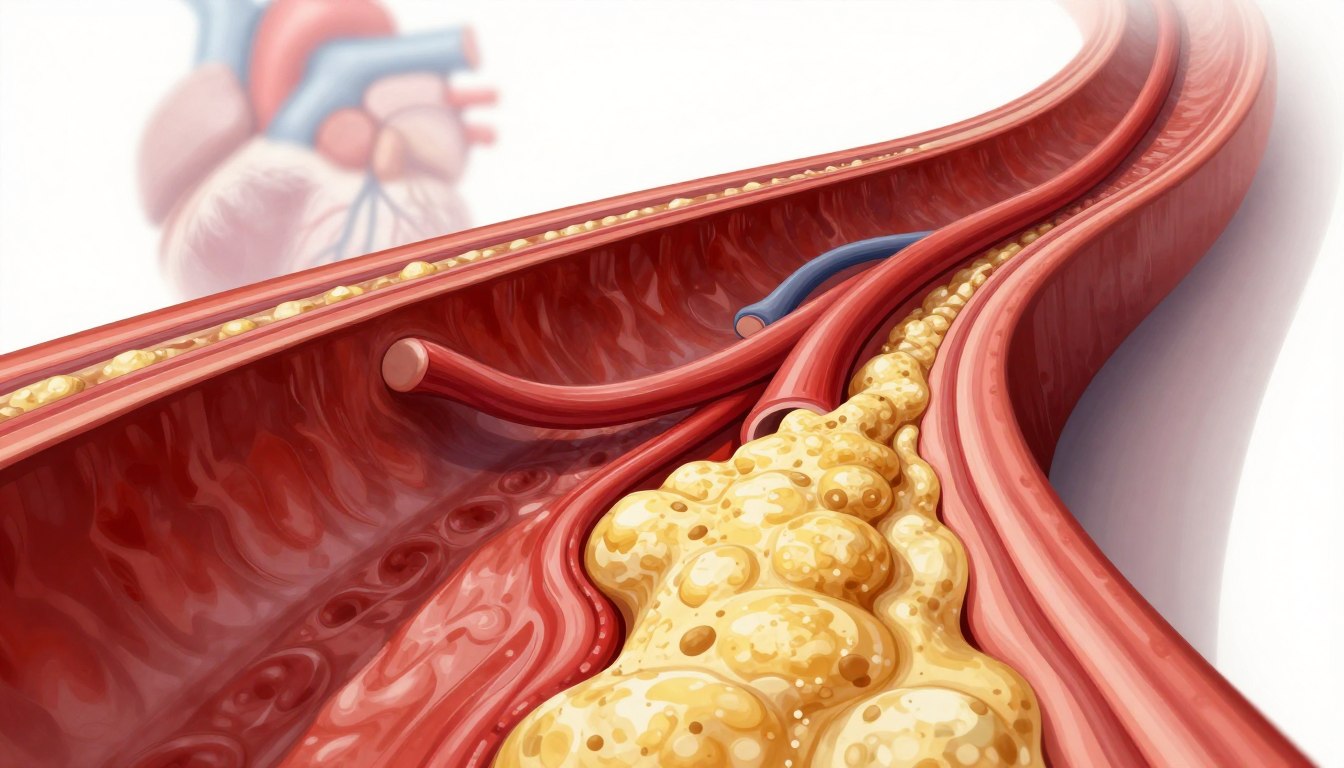
Did you know your body makes cholesterol to build healthy cells? While it’s vital, too much LDL cholesterol can be harmful. It can block arteries, limiting blood flow to your heart and other organs.
Keeping your heart healthy is more than just avoiding bad habits. It’s about taking a proactive approach to your daily life. Knowing how your circulatory system works helps you make simple changes to protect your health.
We’re here to help you make changes that keep your heart in top shape. Making small changes to your diet and activity can greatly improve your health. Let’s look at how you can stay full of energy and keep your heart strong for years.
Key Takeaways
- Cholesterol is a natural substance, but high LDL levels pose risks.
- Plaque buildup restricts blood flow and impacts heart function.
- Small, consistent lifestyle changes significantly improve cardiovascular health.
- Understanding your circulatory system empowers better health decisions.
- Proactive habits are the best defense against long-term complications.
Understanding the Mechanics of Arterial Plaque Buildup
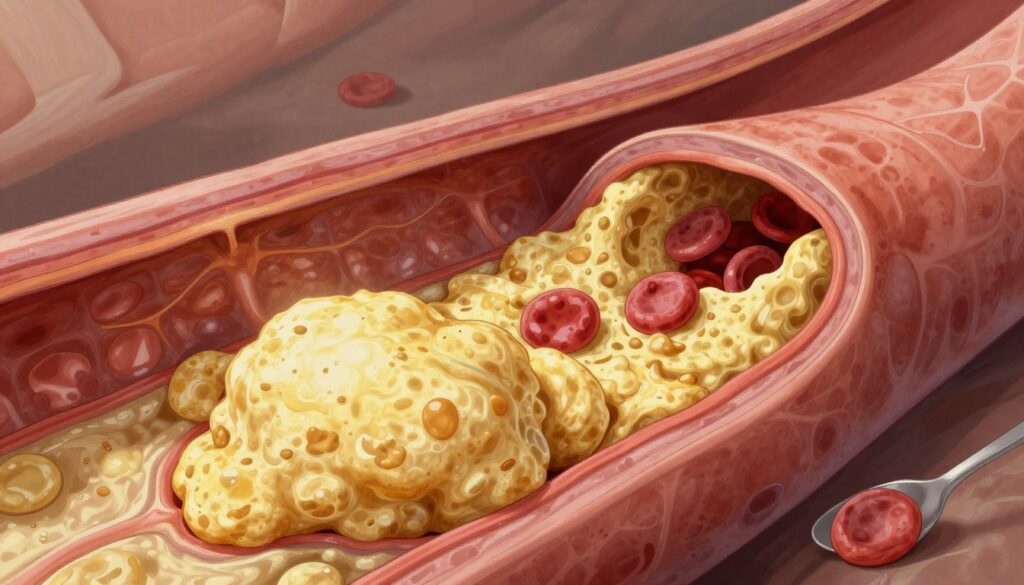
Heart disease often starts with small changes in your arteries. You might feel fine, but tiny processes are happening inside you. Knowing about these changes is key to keeping your heart healthy.
What is Atherosclerosis?
Atherosclerosis means your arteries get clogged with fatty stuff. It starts when cholesterol particles stick to your artery walls. Your body sees this as a threat and sends white blood cells to fight it.
This fight creates inflammation. Over time, cholesterol and immune cells build up, forming plaque. This buildup can block blood flow to your organs.
“The heart is the engine of life, and keeping its pathways clear is the most important investment you can make in your future.”
The Progression of Artery Narrowing
As plaque builds up, your blood vessels get smaller. This artery narrowing makes your heart work harder. At first, the plaque is soft and unstable, which is risky.
If these soft plaques burst, your body tries to heal by forming blood clots. These clots can block blood flow, causing emergencies. Knowing how atherosclerosis works helps you see why it’s crucial to act early and live healthily.
Assessing Your Personal Risk Factors
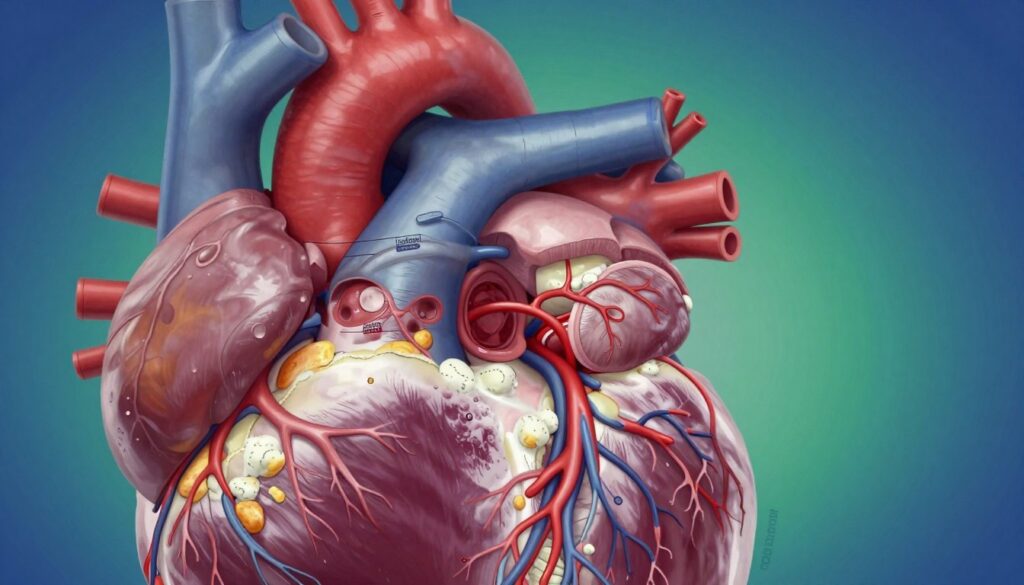
Starting to take care of your heart health means knowing your risk factors. Understanding your health profile helps you and your doctor make a plan to keep your heart healthy. Catching arterial blockage early is key to preventing serious problems.
Identifying Genetic Predispositions
Your family history is crucial for heart health. If your relatives have had atherosclerosis, you might be at higher risk. Genetics affect how your body handles cholesterol and blood pressure.
Talking to your family about their health is important. Knowing if heart disease runs in your family helps you be more proactive. You can then focus on early screenings to catch problems before they cause artery blockage.
Lifestyle Indicators for Cardiac Artery Blockage
While you can’t change your genes, your daily choices greatly affect your heart. A sedentary lifestyle, bad diet, and smoking all increase cardiac artery blockage risk. These habits can lead to arterial plaque buildup over time.
Here’s a table showing how different factors affect your risk level:
| Risk Factor | Impact Level | Management Strategy |
|---|---|---|
| Smoking | High | Cessation programs |
| Sedentary Life | Moderate | Daily movement |
| High Blood Pressure | High | Diet and medication |
| Poor Nutrition | Moderate | Whole food focus |
Knowing about lifestyle indicators gives you the power to make changes. Even small changes can greatly reduce your risk and protect your health. Begin by tracking your habits to find areas for improvement in your heart-healthy journey.
Adopting a Heart-Healthy Nutritional Strategy
What you eat is key to keeping your arteries clear. Eating foods rich in nutrients helps your body stay healthy. This helps prevent artery obstruction and keeps your heart system strong.
Prioritizing Whole Foods and Fiber
Eating like a Mediterranean can greatly improve heart health. Foods like olive oil, fruits, veggies, and nuts can lower heart disease risk by 30%. These foods are full of nutrients that help your body fight off diseases.
Fiber is also important for heart health. Foods high in fiber, like oats and beans, help remove bad fats. Switching to these foods can greatly improve your health.
“Let food be thy medicine and medicine be thy food.”
Reducing Saturated and Trans Fats
Be careful about the fats you eat. Saturated and trans fats raise bad cholesterol, which can clog your blood vessels. It’s important to avoid processed snacks and fatty meats.
Choose healthier fats instead. Using olive oil instead of butter is a simple change. These fats are good for your heart and don’t lose flavor in your meals.
The Role of Antioxidants in Preventing Artery Obstruction
Antioxidants fight inflammation in your body. They keep your blood vessel walls strong. This helps prevent artery obstruction and keeps blood flowing well.
Eating berries, leafy greens, and dark chocolate can boost antioxidants. Eating a diet full of these nutrients is good for your heart. Sticking to these foods will make your heart system stronger.
Implementing Regular Physical Activity
Moving more is the first step to a healthier heart. Regular exercise is a powerful defense against heart blockages. It boosts circulation and strengthens heart muscles.
Aerobic Exercises for Cardiovascular Strength
For heart health, aim for 150 minutes of moderate exercise weekly. Brisk walking, swimming, or cycling are great options. They keep blood vessels flexible and clear.
Don’t worry if you can’t do it all at once. Short, ten-minute sessions throughout the day work too. Consistency is key to avoiding heart blockages.
Strength Training and Metabolic Health
Adding strength training to your routine boosts metabolic health. It helps manage blood sugar and reduces fat. This keeps your blood vessels healthy.
Include strength exercises two days a week for best results. Use light weights, bands, or body weight to challenge muscles. This keeps your heart strong against stress.
| Exercise Type | Primary Benefit | Recommended Frequency |
|---|---|---|
| Brisk Walking | Improved Circulation | Daily |
| Swimming | Full Body Endurance | 3 Times Weekly |
| Resistance Training | Metabolic Health | 2 Times Weekly |
Managing Blood Pressure and Cholesterol Levels
Keeping your heart healthy means watching your blood pressure and cholesterol closely. Keeping these levels in check helps your heart work better. It’s key to stop artery narrowing before it’s too late.
Monitoring Your Numbers Regularly
Your blood pressure and cholesterol are like a map for your heart. High blood pressure makes your heart work too hard. This can damage your blood vessels and lead to artery narrowing.
Knowing your lipid levels is also crucial. A high HDL level means less risk of heart disease. Your LDL goal depends on your health risk, so talk to your doctor about it.
“The most important step in preventing heart disease is knowing your numbers and taking action before symptoms appear.”
Natural Ways to Improve Lipid Profiles
Improving your cholesterol can start with small changes. Keeping a healthy weight helps lower bad cholesterol and raise good cholesterol. Making small changes daily can greatly benefit your heart health.
What you eat affects your cholesterol levels. Eating whole grains, lean proteins, and healthy fats helps your body. Avoiding processed foods reduces inflammation and artery narrowing.
| Marker | Optimal Range | Risk Level |
|---|---|---|
| Total Cholesterol | Below 200 mg/dL | High if >240 mg/dL |
| LDL Cholesterol | Below 100 mg/dL | High if >160 mg/dL |
| HDL Cholesterol | Above 60 mg/dL | Low if |
Regular exercise also helps your lipid levels. It improves blood flow and metabolism. Combining these natural methods with regular check-ups protects against artery narrowing. Being informed and active keeps your heart strong for the future.
Strategies to Effectively Block Arteries from Developing Plaque
You can’t remove plaque that’s already there, but you can stop it from getting worse. By making consistent lifestyle changes and following medical advice, you can keep your blood vessels stable. This is the best way to block arteries from getting worse over time.
The Importance of Anti-Inflammatory Diets
Chronic inflammation is a big reason for arterial plaque buildup. Eating foods that fight inflammation can protect your blood vessels. Add leafy greens, berries, and fatty fish to your meals.
These foods help calm your immune system and reduce stress on your heart. It’s also important to avoid processed sugars and refined carbs to keep inflammation low. Small, sustainable dietary shifts can greatly improve your heart health over time.
Hydration and Its Impact on Blood Flow
Drinking enough water is key for good blood flow. When you’re well-hydrated, your blood flows better, helping your heart work more efficiently. This simple habit helps block arteries from getting clogged or prone to clots.
Drinking water keeps your blood from getting too thick. It also helps your blood vessels stay flexible, making it harder for arterial plaque buildup. Remember, your body needs water to keep your circulatory system working well.
The Role of Stress Management in Heart Health
Your emotional state is key to your heart health. It’s not just about diet and exercise. How you handle stress is crucial. By calming your mind, you help your heart work better without stress damage.
How Chronic Stress Affects Coronary Artery Disease
Chronic stress is a silent threat to your heart. It often gets missed in health checks. Stress makes your body release harmful hormones like cortisol and adrenaline.
These hormones can harm your blood vessels. They can make coronary artery disease worse. It’s important to know this to manage your heart health.
Mindfulness Techniques to Protect Your Arteries
Looking after your mind is good for your heart. You don’t need a lot of time to relax. Small changes can make a big difference.
Try these mindfulness tips to help your heart:
- Deep Breathing Exercises: Start your day with five minutes of slow breathing to calm down.
- Guided Meditation: Use apps or online guides to relax for a bit.
- Mindful Walking: Take a quiet walk outside, focusing on your surroundings.
- Progressive Muscle Relaxation: Tense and then relax different muscle groups to release tension.
Make these habits a part of your life. They help protect your heart from stress. A calm mind is good for your heart. Taking care of your mental health is a great gift to your heart.
Eliminating Harmful Habits That Damage Vessel Walls
Keeping your heart healthy is more than just eating right and exercising. It also means stopping harmful habits. These habits can damage your artery walls and raise your risk of coronary artery disease. By stopping these habits, you help keep your heart healthy for years to come.
The Impact of Smoking on Artery Blockage
Smoking is very bad for your arteries. It harms the lining of your arteries, leading to inflammation and plaque buildup. This makes you more likely to have serious heart problems.
Smoking makes your heart work harder and cuts down oxygen flow. Quitting helps your body heal right away. Your blood flow will get better, and the risk of artery blockage will drop.
Limiting Alcohol Consumption for Better Circulation
Drinking too much can harm your heart. It can raise your blood pressure and weaken your heart. Drinking in moderation is better for your blood flow.
Drinking less can lower inflammation in your body. This helps your heart pump better and keeps your arteries clear. Here’s how your choices affect your health:
| Habit | Impact on Arteries | Recommended Action |
|---|---|---|
| Smoking | High inflammation and plaque | Complete cessation |
| Excessive Alcohol | Increased blood pressure | Strict moderation |
| Sedentary Living | Reduced vessel elasticity | Daily movement |
The Importance of Routine Medical Screenings
Routine check-ups are key to fighting silent heart threats. Even if you feel fine, proactive monitoring can catch early signs of heart problems. This way, doctors can act before things get worse.
Regular visits help you stay ahead of arterial blockage. By tracking your health, you and your doctor can make a plan to keep your heart healthy.
When to Consult a Cardiologist
If you notice changes like unexplained chest pain or dizziness, see a cardiologist. These signs might mean coronary artery disease.
Leg pain when walking that goes away with rest is another warning. Don’t ignore these signs. They mean it’s time for a closer look to stop block arteries problems.
“The best way to treat a disease is to prevent it from ever taking hold in the first place through consistent vigilance and early detection.”
Understanding Diagnostic Tests for Clogged Arteries
Today, we have many tests to check your blood vessels. These tests show how bad any artery blockage is and what to do next.
The table below shows some tests used to find clogged arteries and check blood flow:
| Test Name | Primary Purpose | Invasiveness |
|---|---|---|
| Echocardiogram | Visualizes heart structure | Non-invasive |
| Stress Test | Checks heart under exertion | Non-invasive |
| Carotid Ultrasound | Checks neck artery flow | Non-invasive |
| Angiogram | Maps specific blockages | Minimally invasive |
Talking to your doctor about these tests can help you choose the right one. Early detection is the best way to keep your heart healthy for the long term.
Integrating Supplements and Medications Safely
Keeping your heart healthy often means combining good habits with medical care. Diet and exercise are key, but sometimes your body needs more help to avoid clogged arteries. Adding medical treatments to your routine should be done carefully and with guidance.
Consulting Professionals Before Starting Regimens
Talking to a cardiologist or your doctor before starting new supplements or meds is crucial. Self-prescribing can cause harmful interactions with other drugs. Your doctor will check if any treatment is safe and right for you based on your health.
Be sure to list all your vitamins, herbal supplements, and prescription drugs when you visit. Being open about your current health helps your team spot risks. Together, you can make a plan that lowers the risk of artery obstruction and supports your heart health goals.
Common Medications Used to Manage Arterial Health
When lifestyle changes aren’t enough, doctors might prescribe drugs to protect your blood vessels. Statins are a common choice. They block a liver enzyme that makes cholesterol.
Statins also make the caps on plaques stronger. This makes the plaques less likely to burst, which helps prevent heart problems. Here’s a table showing how to keep your blood vessels clear.
| Intervention Type | Primary Function | Heart Health Benefit |
|---|---|---|
| Statins | Inhibits cholesterol synthesis | Stabilizes arterial plaque |
| Anti-platelet agents | Reduces blood clotting | Prevents vessel blockage |
| Omega-3 supplements | Lowers triglycerides | Supports healthy circulation |
Creating a Sustainable Long-Term Heart Health Plan
For long-term heart health, make small, consistent changes that last. Don’t try to change everything at once. Instead, build habits that fit easily into your daily life. This keeps your heart strong and healthy for years to come.
Setting Realistic Milestones
Success comes from breaking big goals into smaller, easier steps. For example, losing 5-10% of your body weight can greatly improve your heart and blood flow. This is a goal that’s easy to reach and offers quick benefits to your heart health.
When you reach these smaller goals, you feel more confident. Celebrate these wins, as they help build a stronger heart. Remember, patience is key when working towards lasting health.
“Success is the sum of small efforts, repeated day in and day out.”
Building a Support System for Your Journey
You don’t have to go it alone. Having a strong support system, like family, friends, or health professionals, can be a big help. Sharing your goals with others keeps you accountable and gives you emotional support when it’s tough.
Think about joining a wellness group or working with a coach who gets your needs. Having a team behind you helps you stay on track with your long-term goals. Use the table below to see the difference between quick fixes and lasting habits.
| Habit Category | Short-Term Fix | Sustainable Long-Term Habit |
|---|---|---|
| Physical Activity | Intense, sporadic gym sessions | Daily 30-minute brisk walking |
| Nutrition | Strict, restrictive dieting | Balanced whole-food consumption |
| Stress Management | Ignoring tension until burnout | Daily mindfulness or deep breathing |
| Health Tracking | Occasional emergency checkups | Regular, scheduled medical screenings |
By focusing on sustainable habits, you protect your heart for the long term. Stay true to your plan, lean on your support network, and enjoy the journey to a healthier you.
Conclusion
Keeping your heart healthy is a lifelong journey. It’s about eating right, exercising regularly, and taking care of your health. Every choice you make can shape your future.
Knowing your heart health risks is key. Taking action every day can help you manage your heart health. Small changes can lead to big improvements in your well-being.
Improving your heart health takes time and effort. Talk to your doctor or a specialist at Mayo Clinic or Cleveland Clinic. They can help you set and reach your health goals.
Stay up to date with heart health news. Find exercises you love and do them often. Make heart health a daily priority for a vibrant future.
FAQ
What is Atherosclerosis?
Atherosclerosis means your arteries get hard and thick. This happens when plaque builds up. It turns your once flexible vessels into stiff, narrow channels.
This condition is the main cause of most heart problems. It makes your heart work harder to pump blood.
The Progression of Artery Narrowing
As plaque grows, your arteries narrow. This reduces blood flow to your tissues. If the plaque is soft, it’s unstable. If it ruptures, it can cause a blood clot.
This can lead to a heart attack or stroke. Knowing how plaque builds up helps you take steps to stop it.
You are the best advocate for your health. Start by understanding your risk factors. Some factors you can’t control, but many you can.
Identifying Genetic Predispositions
If your family has heart disease, you might be at higher risk. Knowing your family history helps you work with doctors. Together, you can catch early signs of blockage.
Lifestyle Indicators for Cardiac Artery Blockage
Your daily habits show your heart health. A sedentary lifestyle, a diet full of processed sugars, and high stress are harmful. Spotting these early helps you change for the better.
What you eat fuels your heart health. A diet that reduces inflammation is key to preventing artery blockage.
Prioritizing Whole Foods and Fiber
Fiber is great for your heart. Foods like oats, beans, and lentils soak up cholesterol. Eating whole foods keeps your arteries clear.
Reducing Saturated and Trans Fats
Limiting saturated fats in red meats and full-fat dairy is crucial. Swap them for healthy fats. Using California Olive Ranch olive oil instead of butter is a good start.
The Role of Antioxidants in Preventing Artery Obstruction
Antioxidants in fruits and vegetables protect your arteries. They help prevent the chemical changes that lead to blockage.
Your heart is a muscle that needs exercise. Regular movement improves circulation and helps manage weight and blood sugar.
Aerobic Exercises for Cardiovascular Strength
Activities like brisk walking, swimming, or cycling are great. They keep your vessels clear. The American Heart Association recommends at least 150 minutes of moderate activity weekly.
Strength Training and Metabolic Health
Don’t forget the importance of strength training. It improves metabolic health and helps maintain a healthy muscle-to-fat ratio. This reduces strain on your heart.
High blood pressure and cholesterol are silent killers. Managing them is crucial to prevent damage.
Monitoring Your Numbers Regularly
Know your blood pressure and cholesterol numbers. Regular screenings are essential. Understanding your HDL and LDL levels helps gauge your risk.
Natural Ways to Improve Lipid Profiles
Improving your numbers naturally is possible. Eating fatty fish like Wild Planet sardines can lower triglycerides and improve artery health.
Prevention means creating an environment where plaque can’t form easily. You can take steps to block arteries from getting clogged.
The Importance of Anti-Inflammatory Diets
Chronic inflammation helps plaque stick to your artery walls. An anti-inflammatory diet, like the Mediterranean or DASH plans, can reduce inflammation and prevent blockage.
Hydration and Its Impact on Blood Flow
Staying hydrated keeps your blood flowing smoothly. Dehydration makes blood “stickier,” increasing heart strain and contributing to artery damage.
Your mental health affects your heart. Chronic stress damages your arteries over time.
How Chronic Stress Affects Coronary Artery Disease
Long-term stress raises cortisol levels, increasing blood pressure and sugar. This chemical barrage damages your vessel lining, leading to coronary artery disease.
Mindfulness Techniques to Protect Your Arteries
Mindfulness, like meditation or deep breathing, lowers heart rate and blood pressure. Even ten minutes a day can help your heart recover.
Some habits are more damaging than others. To protect your heart, eliminate behaviors that harm your arteries.
The Impact of Smoking on Artery Blockage
Smoking is a fast way to develop artery blockage. Tobacco smoke causes immediate inflammation and damage, making it easier for plaque to form.
Limiting Alcohol Consumption for Better Circulation
Excessive alcohol raises blood pressure and triglycerides. Limiting your intake supports better circulation and heart health.
Regular check-ups are your early warning system. They help catch minor issues before they become major emergencies.
When to Consult a Cardiologist
If you have risk factors or symptoms like chest tightness, fatigue, or dizziness, see a cardiologist. They can provide a detailed analysis of your heart health.
Understanding Diagnostic Tests for Clogged Arteries
Several tests can assess your vessel health. Tests like a carotid ultrasound or coronary calcium scan can identify blockages. This helps your doctor determine the best course of action.
Sometimes, modern medicine is necessary. When used correctly, supplements and medications can be lifesaving for your heart health.
Consulting Professionals Before Starting Regimens
Always talk to a healthcare provider before starting new supplements like CoQ10 or Fish Oil. This ensures they won’t interact with your medications or cause side effects.
Common Medications Used to Manage Arterial Health
For many, medications like statins or ACE inhibitors are necessary. They help stabilize plaque and reduce the risk of blockage, protecting your heart.
Heart health is a marathon, not a sprint. Success comes from building a plan you can stick to for life.
Setting Realistic Milestones
Focus on small, achievable goals. Start with something like walking 15 minutes a day or swapping sugary snacks for fruit. These small wins build momentum for lasting change.
Building a Support System for Your Journey
You don’t have to do this alone. Having a support system, like a walking group or family, makes staying committed easier.
What is the primary cause of artery narrowing over time?
Atherosclerosis, a process where plaque builds up, is the main cause. This buildup narrows your arteries, restricting blood flow and increasing heart disease risk.
How do I know if I am at risk for a cardiac artery blockage?
Your risk is based on genetics and lifestyle. Smoking, high blood pressure, and a sedentary lifestyle increase your risk. If you have a family history of heart disease, be extra cautious.
Can certain foods help prevent artery obstruction and coronary artery disease?
Yes, nutrition is key. Eating high-fiber foods and healthy fats, like those in California Olive Ranch olive oil, can manage cholesterol. A diet that reduces inflammation can lower your risk of blockage and slow disease progression.
How does exercise help prevent clogged arteries?
Regular exercise strengthens your heart and improves circulation. It keeps your vessels flexible, preventing narrowing and blockage.
Is it possible to block arteries from developing further plaque?
While you can’t remove existing plaque, you can prevent more buildup. Following an anti-inflammatory diet, staying hydrated, and using medications like statins can stabilize plaque and prevent further blockage.
What symptoms indicate I should see a doctor about an arterial blockage?
See a doctor if you have chest pain, shortness of breath, or extreme fatigue. These symptoms indicate clogged arteries restricting blood flow, requiring immediate testing.