
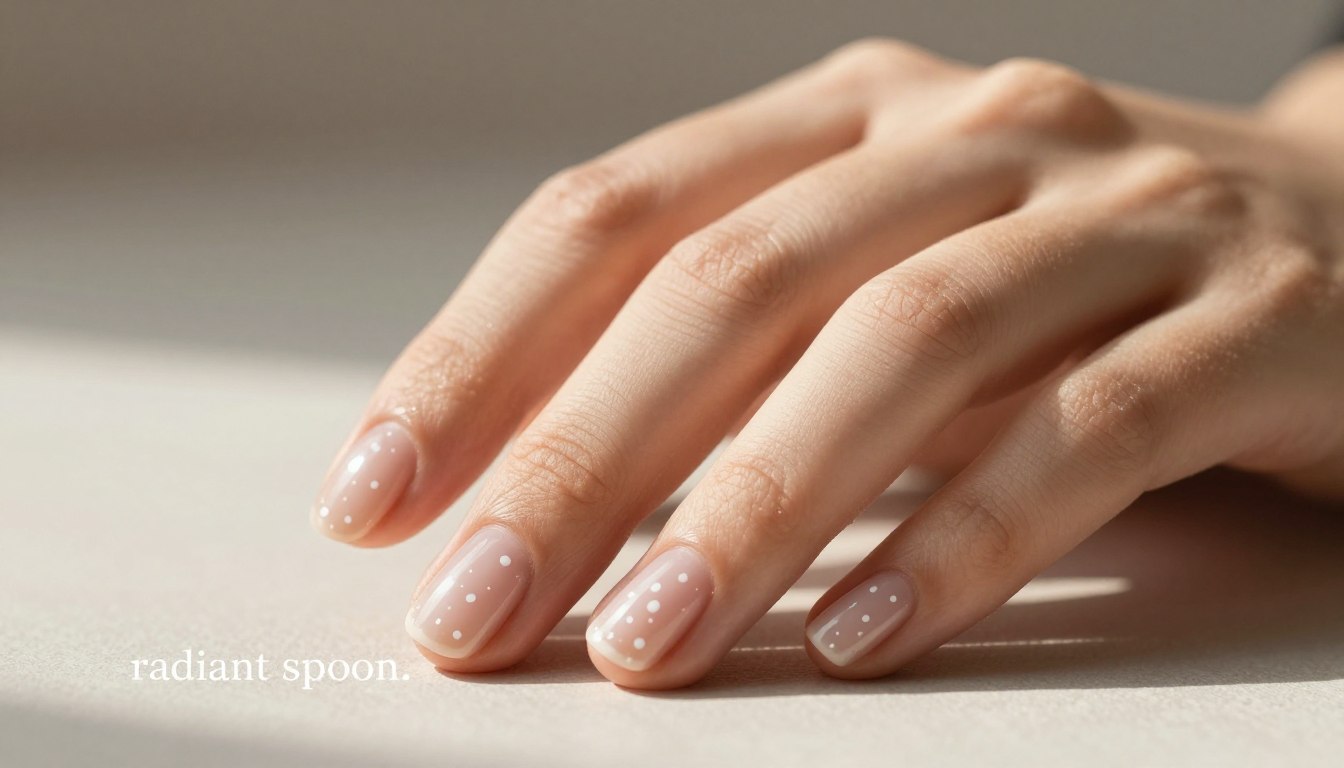
Did you know almost everyone will see a change in their fingernails at least once? These changes are usually just a sign of minor nail bed trauma.
Seeing a white spot on nails might make you worry about your health. But, leukonychia, the common term for this, is rarely a serious issue. We aim to explain why these spots appear and how to keep your nails in top shape.
In this guide, we’ll look at the simple reasons for these changes. Our aim is to give you easy-to-follow advice. By doing so, you can help your nails grow strong and healthy every day.
Key Takeaways
- Most marks are caused by minor injuries rather than nutritional deficiencies.
- Leukonychia is a common and typically harmless condition.
- Proper hydration and gentle care help prevent future nail damage.
- Persistent changes should be evaluated by a medical professional.
- Healthy habits lead to stronger and more resilient nail beds.
Understanding the Causes of White Spots on Nails
When we look at our hands, we might see small white marks. These marks can look scary, but they’re often harmless. Knowing what causes white spots on nails helps us take better care of our hands.
Leukonychia Explained
In the medical world, these white spots are called leukonychia. It’s when you see white lines or dots on your nail plate. It’s a common condition that many people face at some point.
Learning about white spots on nails causes and treatments starts with knowing they’re usually just minor stress signs. They’re rarely a sign of a serious health issue.
Common Trauma and Injury
Most white spots come from minor physical trauma. Like bumping your finger or catching your nail. The nail matrix gets injured, and as it grows, the spot appears.
Aggressive grooming can also cause these spots. For example, pushing back cuticles too hard or biting your nails can harm nail growth. Gentle care is key to avoiding these injuries.
The Role of Manicures and Chemical Exposure
Going to the nail salon often can affect your nails. Harsh chemicals in polishes, removers, and acrylics can weaken your nails. They can dry out your nails, making them more prone to damage.
It’s important to choose gentle, non-toxic alternatives for your beauty routine. Taking breaks from artificial enhancements lets your nails recover and stay strong.
Identifying the Meaning Behind a Spot on Nails
Seeing a white spot on nails makes you wonder what your body is trying to tell you. Not every spot means a serious health problem. But, learning to read these signs can guide you on what to do next. By looking at the shape and where the spot is, we can figure out why it’s there.
Punctate Leukonychia vs. Striate Leukonychia
Leukonychia is the term for white spots on the nail. We divide these spots into two types based on how they look:
- Punctate Leukonychia: This is small, white dots all over the nail. It’s common and usually caused by minor injuries.
- Striate Leukonychia: This shows as white lines or bands across the nail. These lines move with the nail as it grows.
“Your nails are a window into your overall health, reflecting both your internal wellness and the external environment you encounter daily.”
Distinguishing Between Fungal Infections and Physical Damage
It’s key to tell apart simple injuries and possible infections. Damage from hitting your finger or rough manicures usually leads to spots that move as the nail grows.
Fungal infections, on the other hand, have different signs. If you see your nail getting thickened or brittle, or if the spot has a yellow or brown color, it might be an infection. Also, if the spot spreads or changes shape over weeks, it’s time to see a doctor.
While a single white spot on nails is usually okay, changes that keep happening might mean something serious. Watching how these spots change can help you know if you need to see a doctor or just wait it out.
Evaluating Potential Vitamin Deficiencies
Many think white spots on nails vitamin deficiency are linked, but science disagrees. We often search for simple nutritional answers for these marks. But, our nail health is usually tied to specific biological processes, not just one missing nutrient.
Debunking the Calcium Deficiency Myth
Many believe these spots mean you need more calcium. But, there’s little scientific evidence to back this up. Calcium is mainly stored in bones and teeth, not nails.
If you’re concerned about calcium, focus on bone health, not nails. This myth can lead us away from finding the real causes of nail changes. Understanding the facts helps us avoid misconceptions and follow evidence-based health practices.
The Importance of Zinc and Iron Levels
Zinc and iron are crucial for nail growth and strength. A lack of these minerals can cause visible changes. Eating a balanced diet is the best way to support healthy nails.
Zinc helps with cell division, essential for nail growth. Iron ensures oxygen gets to our cells, keeping nails healthy. By eating nutrient-rich foods, we can keep our nails strong and clear without supplements.
Step-by-Step Guide to Assessing Your Nail Health
Checking your nail health is all about being consistent and paying attention to small changes. Set aside a few minutes each week to look over your hands and feet. This routine habit helps you spot any unusual changes quickly.
Examining Nail Texture and Color Changes
When you check your nails, look for any irregularities. Check for changes in thickness, deep ridges, or pitting. Also, watch for color changes like white spots, yellowing, or dark streaks.
Healthy nails are smooth and the same color all over. If your nails are brittle or peeling, it might mean they’re exposed to harsh chemicals or too much moisture. Always compare your nails to see if the changes are just in one finger or all over.
When to Document Changes Over Time
If you see a new mark or texture change, don’t worry. Start a log to track your nail’s growth over a few weeks. Most white spots will naturally grow out as the nail moves forward.
If the spot doesn’t move for more than a month, it might be a sign of a bigger problem. Keeping a record helps you tell if it’s just a minor injury or something more serious.
| Nail Condition | Common Observation | Recommended Action |
|---|---|---|
| White Spots | Move toward the tip as nail grows | Monitor for 4-6 weeks |
| Deep Ridges | Vertical or horizontal lines | Increase hydration and care |
| Discoloration | Yellow or dark patches | Consult a professional |
| Brittle Texture | Peeling or splitting layers | Limit chemical exposure |
How to Get Rid of White Spots on Nails Through Lifestyle Changes
Looking for a natural white spots on nails remedy? Start with your daily routine. Simple lifestyle changes can greatly improve your nail health. Consistency is key to creating a better environment for your nails.
Adjusting Your Diet for Nail Strength
Your nails show your internal health. Nutrition is crucial for strong, clear nails. Eat foods rich in proteins, healthy fats, and minerals.
Adding zinc and iron to your diet can help. Include these in your shopping list:
- Leafy greens like spinach and kale for iron.
- Nuts and seeds, such as almonds and pumpkin seeds, for zinc.
- Lean proteins like chicken, fish, or legumes to support keratin production.
Protecting Your Nails from Daily Wear and Tear
External factors can cause spots. Protecting your nails from daily damage is a simple remedy. Small changes in how you handle objects can prevent stress on your nails.
Wear gloves while cleaning to avoid harsh chemicals and moisture. Also, stop using your nails as tools. Learning how to get rid of white spots on nails is easier with prevention and better habits.
| Habit | Benefit | Action Item |
|---|---|---|
| Nutrient Intake | Strengthens keratin | Eat more zinc-rich foods |
| Glove Usage | Prevents chemical damage | Wear gloves during chores |
| Tool Avoidance | Reduces physical trauma | Use proper tools instead |
| Hydration | Improves nail flexibility | Apply cuticle oil daily |
Effective Treatment for White Spots on Nails
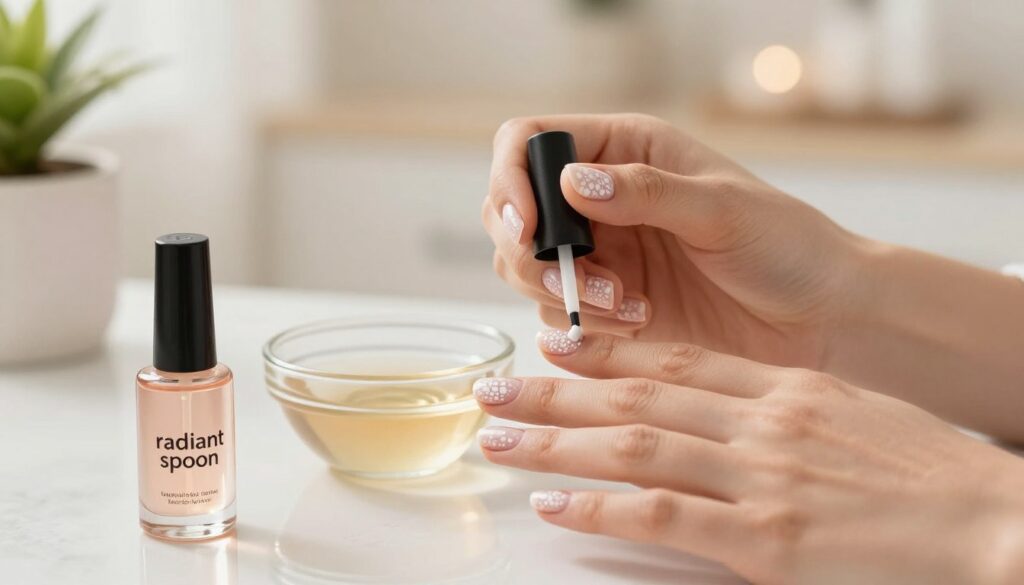
Understanding your nail’s hydration needs is key to treating white spots. When you see a white spot on nails, don’t worry. Most cases can be treated with simple care. Moisture and protection are the best for your nails.
Topical Treatments and Moisturizing Routines
To get rid of white spots, focus on your nail bed’s health. Daily use of cuticle oils keeps the area soft and prevents brittleness. Look for oils with vitamin E or jojoba oil for deep nourishment.
Also, use a thick hand cream to protect against stressors. Consistency is key in applying these treatments. Hydrated nails recover faster, helping spots fade quicker.
When to Seek Professional Medical Advice
Home care usually works, but sometimes you need a pro. If spots spread, change color, or cause pain, stop home remedies. These signs might mean a fungal infection or a health issue.
See a dermatologist if spots don’t go away after weeks of care. A doctor can check for serious conditions. Your health is our priority, so seek help if you’re worried about your nails.
Natural Remedies for Improving Nail Appearance
Simple, natural habits can greatly improve our nail strength and appearance. When we notice changes, trying white spots on nails natural remedies is a gentle way to help. These methods nourish the nail bed and support growth.
Using Essential Oils for Nail Health
Essential oils are great for self-care. Oils like tea tree, lavender, and jojoba moisturize well. Massaging these oils into the nail and cuticle keeps the area hydrated and flexible.
Regular use prevents brittleness and minor damage. Choose organic oils to avoid harmful chemicals. A small amount applied nightly can make a big difference over time.
The Benefits of Biotin and Nutritional Supplements
Internal issues can cause nail problems. A white spots on nails vitamin deficiency is common, but diet is key. Biotin, a B-vitamin, strengthens nails.
Zinc and iron also support nail growth. Eat whole foods first, but supplements help when needed. Always talk to a doctor before starting supplements.
| Remedy Type | Primary Benefit | Application Frequency |
|---|---|---|
| Jojoba Oil | Deep Hydration | Daily |
| Biotin Supplement | Structural Support | As Directed |
| Tea Tree Oil | Protective Barrier | Weekly |
Combining natural remedies with a balanced lifestyle is best for healthy nails. Be patient, as natural healing takes time. If concerns persist, see a professional for advice.
Preventative Measures to Keep Nails Healthy
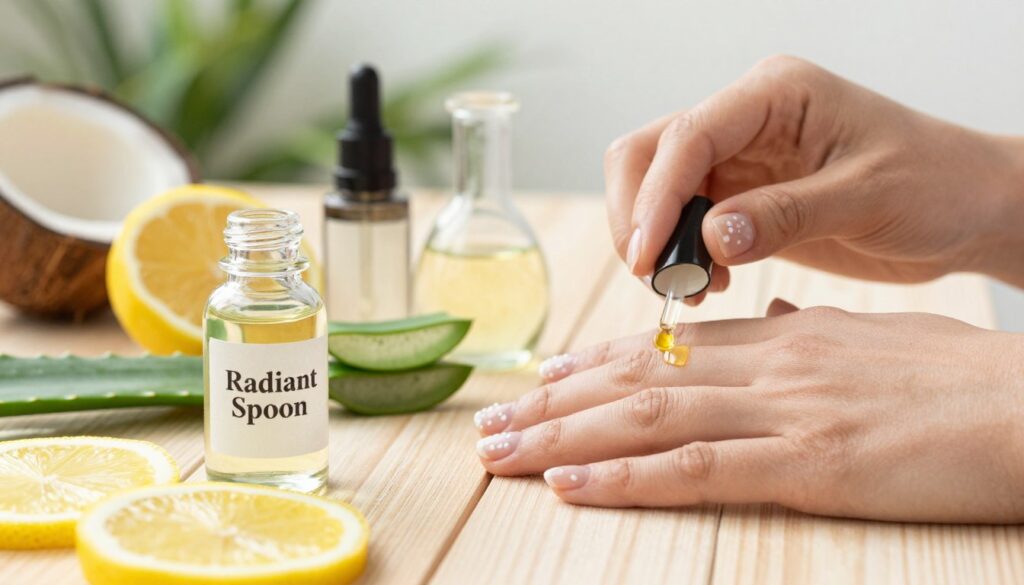
We think the best way to deal with nail problems is to prevent them. By following a regular routine, we can shield our nails from daily damage. This damage often leads to unwanted marks. Looking for white spots on nails natural remedies after damage is common, but prevention is key for strong, clear nails.
Proper Manicure Techniques to Avoid Damage
Many of us accidentally harm our nails during grooming. It’s crucial to avoid harsh scraping or over-buffing. These actions can make the nail thin and weak. Gentle care is always best when shaping your nails.
Instead of using metal tools, use a soft orange stick for cuticles. Always file in one direction to avoid fraying. These small changes in your manicure routine can greatly reduce nail damage.
Hydration and Nail Bed Care
Keeping nails hydrated is key to preventing brittleness and splitting. Dry nails are more likely to crack, showing as white spots. Apply a good cuticle oil or hand cream every night.
Massaging the oil into the nail bed boosts blood flow and keeps it soft. Healthy skin around the nail helps it grow strong. Adding these habits to other white spots on nails natural remedies keeps hands looking good all year.
When to See a Dermatologist for Nail Concerns
Most minor nail issues can fix themselves, but sometimes you need a pro’s help. Finding the right treatment for white spots on nails means knowing when home remedies aren’t enough.
Recognizing Signs of Serious Underlying Conditions
If your nail problems don’t get better, it’s time to see a doctor. Persistent discoloration that won’t go away might mean a bigger issue.
Watch for these signs that mean you should see a doctor:
- Rapid changes in the shape or thickness of your nails.
- Dark streaks or irregular pigmentation appearing under the nail.
- Pain, swelling, or redness surrounding the nail bed.
- Nails that begin to separate from the skin underneath.
Preparing for Your Medical Consultation
Being ready for your visit helps your dermatologist diagnose you right. Keep a symptom journal for two weeks before your appointment.
When you get there, be ready to share:
- A list of all current medications and supplements you take.
- Details about your recent manicure habits or chemical exposure.
- Photos showing how the spots have changed over time.
- Any history of trauma or injury to the affected fingers or toes.
Sharing this info helps your doctor rule out bigger health issues. Remember, taking care of your nails now means they’ll stay healthy for years to come.
Conclusion
Understanding your nail concerns helps you take care of your daily wellness. We hope this guide helps you understand the causes and treatments for white spots on nails.
Making small changes in your life can greatly improve your nail strength. Eating well and staying hydrated helps your body from the inside. Brands like OPI or Sally Hansen have top coats that protect your nails from harm.
Keep an eye on your nail health as you start these new habits. Finding the right treatment for white spots is a journey for you. Staying consistent with moisturizing will keep your nails looking good.
If you see changes that don’t get better with basic care, see a dermatologist. Your effort to keep your hands healthy will pay off for years. We appreciate your dedication to learning about your body and improving your self-care.
FAQ
What exactly are the white marks we see on our nails?
These marks are called leukonychia. A white spot on nails usually means you bumped your hand or had a tough manicure. It’s a sign of minor damage.
What are the most common causes of white spots on nails?
Physical injury or chemical irritation often causes these spots. Activities like using acrylic nails or slamming your finger can lead to them. It’s your body’s way of showing the nail matrix was affected.
Is a white spots on nails vitamin deficiency related to calcium?
No, white spots are not usually about calcium. Instead, we look at zinc and iron for vitamin deficiency. Eating foods rich in these minerals helps grow strong nails.
How to get rid of white spots on nails quickly?
The truth is, spots on nails take time to go away. We must wait for them to grow out. Protecting your nails with gloves helps avoid further damage.
Is there an effective white spots on nails remedy we can use at home?
Yes, deep hydration is key. Use a good moisturizer like CeraVe Therapeutic Hand Cream or Sally Hansen Vitamin E Nail & Cuticle Oil. This keeps your nails soft and prevents damage.
Can we use white spots on nails natural remedies to improve appearance?
Definitely! Natural remedies like tea tree oil or jojoba oil can help. Taking Biotin supplements from Nature’s Bounty also strengthens your nails over time.
What is the recommended treatment for white spots on nails if they are persistent?
For fungal infections, use Lotrimin or get a doctor’s prescription. For dry nails, a “hardener” or “strengthener” can help protect them while they grow out.
How do we know when to see a professional about white spots on nails causes and treatments?
See a dermatologist for long horizontal bands or if your nail color changes. A professional can help if you notice changes in shape or persistent pitting.
How can we prevent these spots from appearing in the future?
Keep your nails healthy by being gentle during manicures and avoiding using them as tools. Stay hydrated and use barrier creams. A diet rich in minerals also helps prevent new spots.