
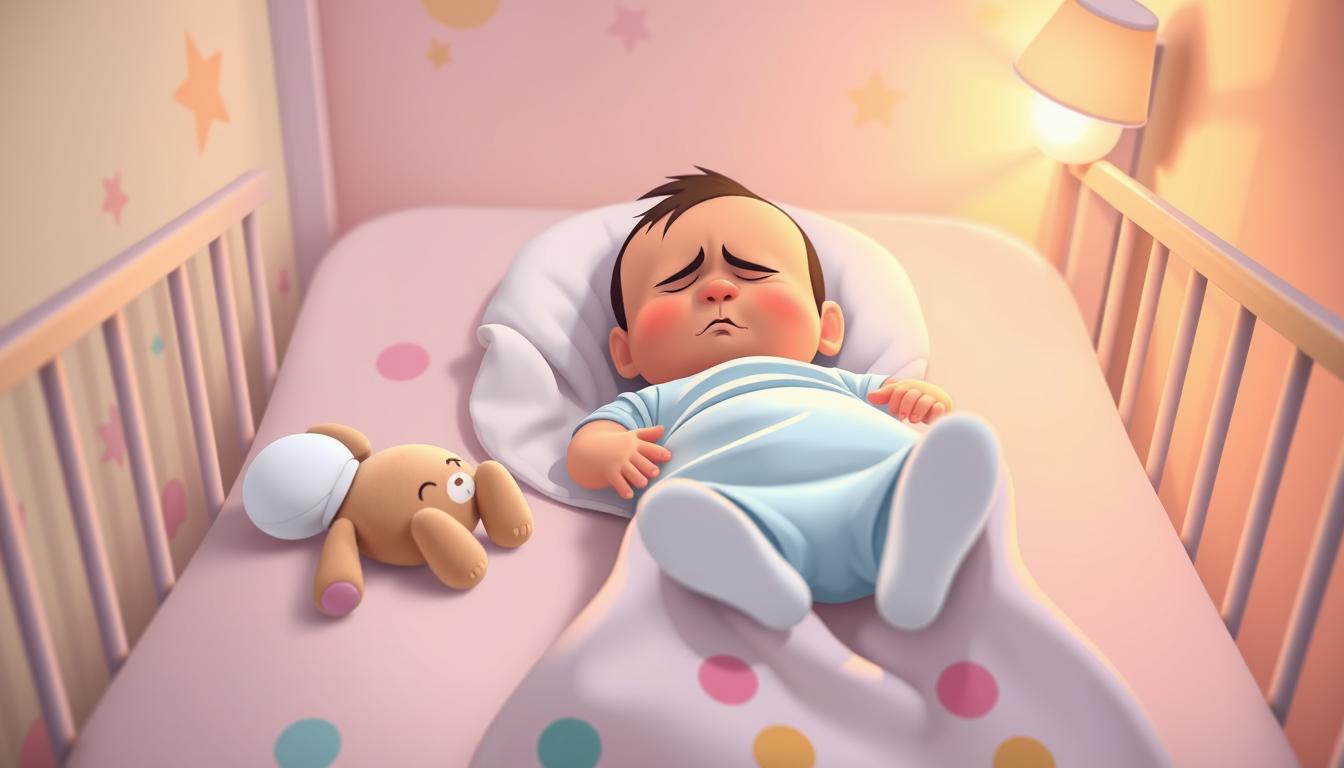
Many parents worry when their baby won’t use a blanket, even though it seems like a great idea for a cozy night’s sleep. The American Academy of Pediatrics (AAP) says babies under 12 to 18 months shouldn’t sleep with loose blankets. This is because of the risk of SIDS, suffocation, or getting trapped.
We all want our babies to be safe and comfy. Infant sleep struggles are tough, and when they reject blankets, it’s confusing.
Key Takeaways
- Understanding the risks associated with blanket use in infants is key.
- Babies under 12 to 18 months should not sleep with loose blankets.
- There are safe ways to keep your baby warm and cozy.
- Figuring out why your baby rejects blankets can help solve the problem.
- Creating a sleep-friendly environment is essential for your baby’s comfort.
Why Babies Refuse to Take Blanket at Night
Babies might not want to use a blanket at night for many reasons. These include their growth, the environment, and how they feel things. Knowing these reasons can help parents find solutions.
Developmental Factors
As babies grow, their likes and needs change. This affects their use of blankets.
Age-Related Behaviors
The American Academy of Pediatrics says to swaddle newborns but stop when they roll over. This change can make babies not want to use blankets anymore.
Motor Skill Development
Babies with better motor skills might find blankets too tight or uncomfortable. As they get better at moving, they might take off the blankets.
Temperature Sensitivity
Babies are very sensitive to temperature. Signs of too much heat include sweating, red skin, and fast breathing. Feeling too hot can make them not want to use blankets.
Signs of Overheating
Watching for these signs helps parents keep the room cool or adjust the baby’s clothes.
Signs of Being Too Cold
Shivering, cold hands and feet, and being fussy mean a baby is too cold. But, some babies might not like blankets because they’re uncomfortable.
Sensory Issues and Texture Preferences
Some babies don’t like certain textures or fabrics. Soft fabrics like cotton are usually better, while rough ones can be uncomfortable.
Common Fabric Sensitivities
Parents should pick soft, breathable fabrics that are kind to the baby’s skin.
Weight Preferences
The weight of the blanket matters too. Some babies like lighter or heavier blankets. Watching how they react to different blankets can show their preference.
| Factor | Possible Cause | Potential Solution |
|---|---|---|
| Developmental Stage | Age-related behaviors | Adjust swaddling or bedding accordingl |
| Temperature Sensitivity | Overheating or being too cold | Monitor room temperature and baby’s cues |
| Sensory Issues | Texture or weight preferences | Choose soft, appropriate blankets |
“The key to understanding your baby’s aversion to blankets lies in observing their reactions and adjusting their environment.”
Safe Alternatives to Keep Your Baby Warm
When babies don’t want to use a blanket, parents must find other ways to keep them cozy and safe. There are many options that are comfortable and don’t have the risks of loose bedding.
Sleep Sacks and Wearable Blankets
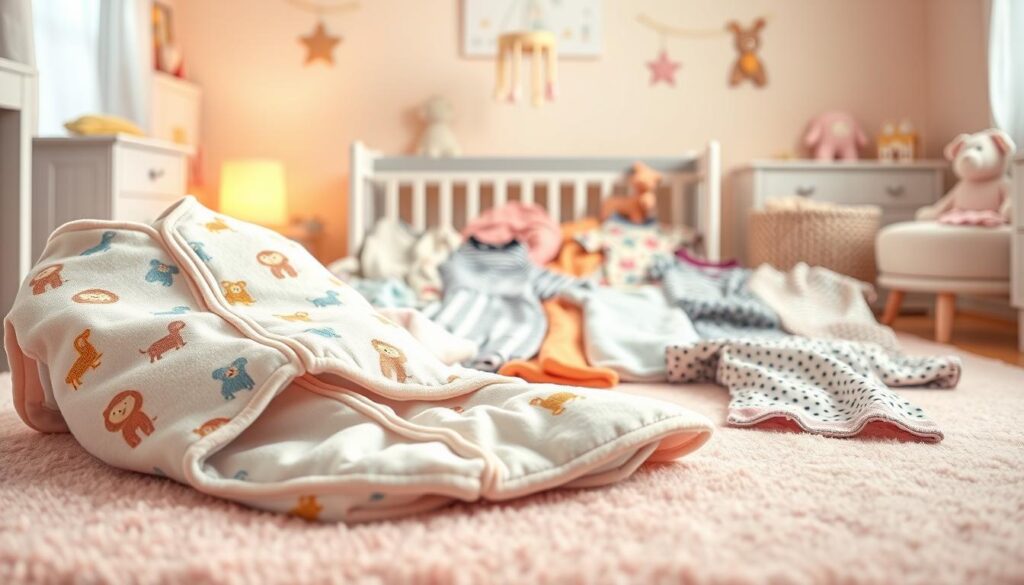
Sleep sacks and wearable blankets are great alternatives to regular blankets. They keep your baby warm and let them move freely. Age-appropriate options are key; for example, younger babies need sleep sacks that fit snugly around the neck and arms.
Age-Appropriate Options
Newborns do well with sleep sacks that have zippers or snap closures. As your baby gets older, you can switch to wearable blankets with Velcro that you can adjust.
Safety Features to Look For
When picking out sleep sacks or wearable blankets, look for safety features like secure closures and breathable materials. These help prevent overheating.
Appropriate Room Temperature Settings
Keeping the room at the right temperature is important for your baby’s comfort. A temperature between 68-72°F (20-22°C) is usually best.
Using a Thermometer Effectively
Using a thermometer helps you check the room temperature accurately. Place it in your baby’s room, away from drafts and direct sunlight.
Seasonal Adjustments
Change the room temperature with the seasons. In cold months, you might need a heater. In warm months, a fan or air conditioner can help.
Layered Clothing Options
Dressing your baby in layered clothing is another good way to keep them warm. This lets you adjust their clothes based on the room’s temperature.
Materials to Choose
Choose breathable materials like cotton or bamboo. These materials help keep your baby’s body temperature right and prevent overheating.
Materials to Avoid
Stay away from thick or synthetic materials, as they can make your baby too hot. Dress your baby in one more layer than you are comfortable in.
By using these strategies, you can keep your baby warm and safe without a blanket. This makes for a cozy and comforting night’s sleep.
Practical Solutions for Blanket Acceptance
If your baby doesn’t want to use a blanket, you’re not alone. There are practical solutions to help.
Gradual Introduction Techniques
Introducing a blanket slowly is key. This helps your baby get used to it. Start with daytime exercises and then move to nighttime steps.
Daytime Familiarity Exercises
Let your baby play with the blanket during the day. This helps them get used to its feel, smell, and texture.
Nighttime Transition Steps
When your baby is okay with the blanket during the day, introduce it at night. Start with short periods and gradually increase the time.
Creating Positive Associations
Make the blanket a positive thing for your baby. Use it for comfort and routines. Also, show your baby how to use it.
Comfort Objects and Routines
Use the blanket during feeding or stories. This creates a positive link. A bedtime routine with the blanket is also helpful.
Modeling Blanket Use
Babies often copy what their parents do. Using a blanket yourself can encourage your baby to do the same.
When to Seek Professional Advice
If your baby keeps refusing the blanket, you might need professional help. This can rule out any hidden issues.
Persistent Sleep Issues
If your baby’s blanket refusal is linked to sleep problems, talk to a pediatrician. They can find the cause.
Potential Underlying Concerns
Some babies might not like blankets due to sensory issues or other concerns. A healthcare professional can help address these.
| Technique | Description | Benefits |
|---|---|---|
| Gradual Introduction | Introduce the blanket gradually, starting with daytime | Helps baby become familiar with the blanket |
| Positive Associations | Create positive associations through comfort objects and routines | Makes baby more receptive to blanket use |
| Modeling Behavior | Use the blanket yourself to encourage baby to do the same | Promotes blanket acceptance through mimicry |
Conclusion
It’s important to know why babies don’t like blankets at night. This helps solve baby blanket rejection and infant sleep struggles. We’ve talked about how growth stages, feeling too hot or cold, and sensory problems matter.
To help your baby sleep better, think about using sleep sacks or wearable blankets. Keep the room at a good temperature and dress your baby in layers. Also, start with a small blanket and make it a positive thing.
The AAP says to wait until a baby is 12 to 18 months old for a blanket. Even then, pick a thin, breathable one. Make sure the sleep area is safe. By doing these things, we can help our babies sleep well.
FAQ
Why does my baby refuse to use a blanket at night?
Babies might not want to use a blanket for many reasons. These include developmental stages, being too warm, or sensory issues. Our article explores how these factors can affect a baby’s comfort with blankets.
What are some safe alternatives to blankets for keeping my baby warm?
Safe options include sleep sacks, wearable blankets, and extra clothes. These keep babies warm and safe without the risks of blankets.
How can I introduce a blanket to my baby if they refuse it initially?
Start by introducing the blanket slowly and make it a positive experience. Show your baby how to use it and make it fun. This can help them get used to having a blanket.
What if my baby continues to refuse a blanket despite trying different introduction methods?
If your baby keeps saying no to blankets, it’s time to get help. A doctor can offer advice tailored to your baby’s needs and help find the cause.
How can I ensure a safe sleep environment for my baby?
Keep the room cool, use safe sleep items, and avoid loose bedding. These steps help prevent sleep dangers and keep your baby safe.
Are there any specific materials or fabrics that are recommended for baby blankets?
Choose blankets made from breathable, light materials. This helps keep your baby’s body temperature right and prevents them from getting too hot. Cotton or muslin are good choices.
Can I use a blanket with other sleep products, like a sleep sack?
It’s best not to use loose blankets with sleep sacks. This can cause overheating and get tangled. Instead, use extra clothes or adjust the room’s temperature to keep your baby cozy.